
Listening deeply: Narrative Therapy as a pathway beyond shame
New research from Dr Anni Hine Moana explores the need for culturally safe narrative practices that validate lived experience and support justice‑seeking.

A new article in the Australian Counselling Research Journal has explored the relationship between shame and alcohol use among Aboriginal women in Australia, and identified narrative therapy as a culturally appropriate and effective approach – one that enables women to reframe their experiences and rebuild positive self-identities.
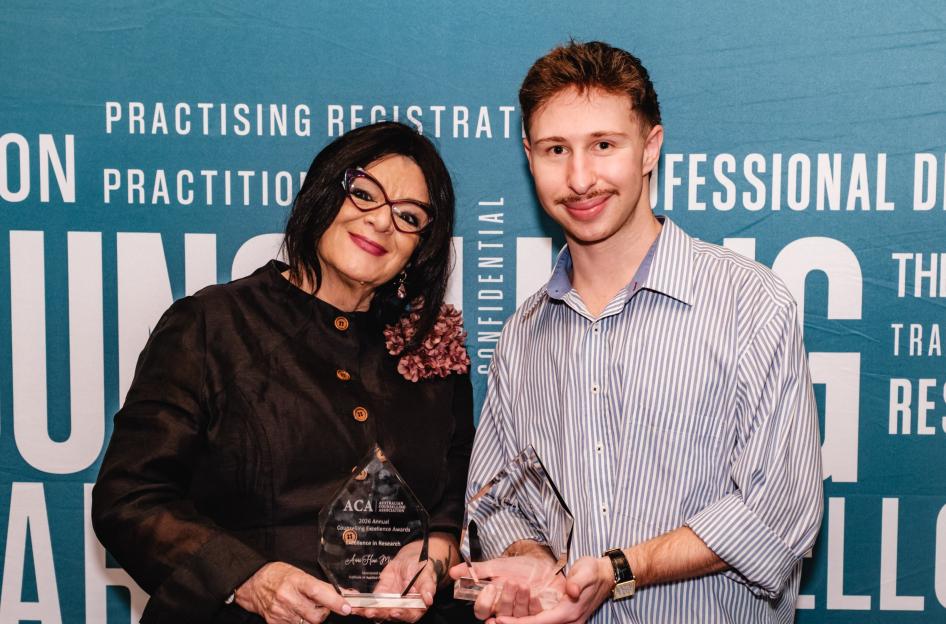
Written by Dr Anni Hine Moana, Lecturer, Graduate Program of Addictive Behaviours, the article draws on qualitative research conducted with women who have experienced alcohol problems, as well as the Aboriginal counsellors and community workers who work with them.
Dr Hine Moana’s findings illuminate the impact of trans-generational trauma, systemic racism and gendered oppression on the development and maintenance of alcohol problems.
“These intersecting oppressions can create barriers to help-seeking,” Dr Hine Moana explains.
In light of these challenges, culturally safe, narrative-based approaches are essential. These approaches create space for women to feel heard, to have their experiences of injustice witnessed, and to reframe their alcohol use in light of their lived experiences.
“Narrative therapy intersects with Indigenous healing practices and supports the deconstruction of oppressive discourses, Dr Hine Moana says. “It enables Aboriginal women to re-story their lives, reclaim their identities and resist deficit narratives.”
Opportunities to validate lived experience and support justice
Dr Hine Moana’s message for practitioners is clear: health care services must move beyond symptom-focused interventions and engage with the lived realities of Aboriginal women.
This includes:
- Creating culturally safe spaces where women can share their stories without interruption.
- Acknowledging historical and ongoing injustices, including the legacy of the Stolen Generations and the impact of racialised misogyny.
- Employing narrative and storied approaches that support identity reconstruction and healing.
- Validating lived experience and supporting justice-seeking as part of the therapeutic process.
“Listen deeply, validate lived experience, and support justice-seeking as an integral part of the healing journey,” Dr Hine Moana says.
Read the article for key findings and recommendations, including details about the implications for counsellors: Listening to the Silence: Shame, Storytelling, and Healing with Aboriginal Women
Read more about Dr Hine Moana’s work: Using Narrative Therapy to combat shame
For media enquiries email [email protected] or call 0478 854 644.