
Peer support involvement linked to lower relapse risk in early recovery
New research has found that connecting people in early recovery with a peer support group helps them build the skills that can strengthen long‑term outcomes.

Being part of a peer support group for people recovering from substance dependence has been shown to reduce the risk of *relapse and improve *recovery outcomes.
Beyond improvements related to substance use, participating in a support group fosters social connections and helps build the skills and relationships that support and sustain recovery.
To better understand when participation in a peer support group is most beneficial along the recovery trajectory, an international research team from Turning Point, the Monash Addiction Research Centre, Trinity University, Trimbos Institute and Ghent University surveyed 367 people at different stages of their recovery from substance dependence.
What did they find?
The findings showed that a majority (63%) of people in early recovery with low involvement in the peer support groups relapsed by the 1-year follow-up, whereas less than a quarter (23%) of those in early recovery with high involvement relapsed.
The benefits of mutual-aid participation were significant for people in early recovery (less than 1 year) and those in sustained recovery (1 to 5 years), but not for those in stable recovery (more than 5 years). Higher involvement in peer support groups was still associated with a lowered chance of relapse even after statistically controlling for other factors such as the individual's commitment to recovery.
What are the implications?
The results suggest that high involvement in peer support groups may be protective against relapse and problematic use regardless of a person’s commitment to recovery, age and gender.
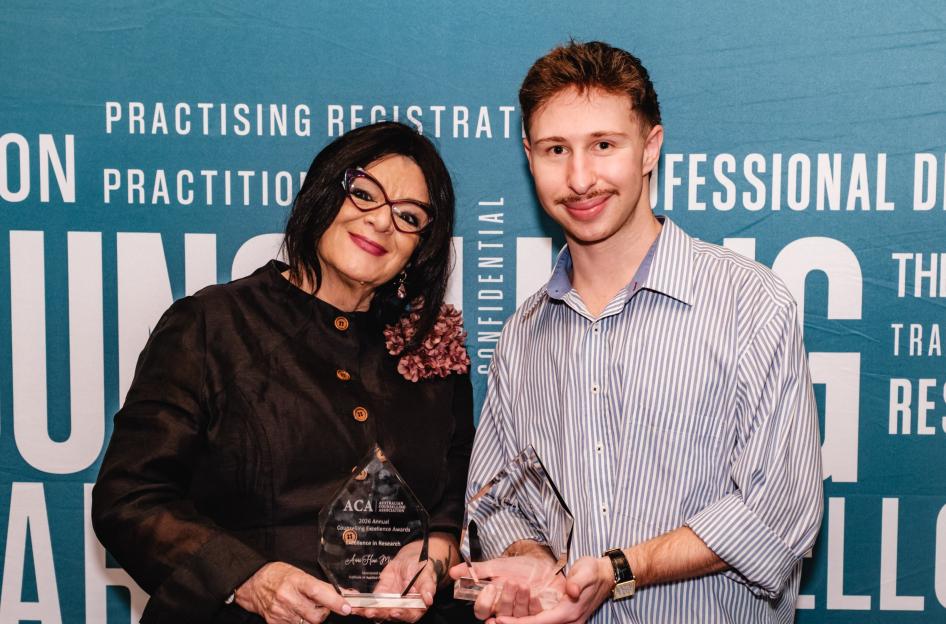
The study’s lead author, Research Fellow Dr Ari Roxburgh, explains:
“We know that people with a greater commitment to recovery are more likely to engage in and remain committed to peer support groups. However, regardless of an individual's commitment to recovery, participating in these groups is also likely to cultivate crucial ‘mechanisms of change’.”
Examples of these mechanisms of change include instilling a sense of hope, building pro-recovery networks, providing role models, and legitimising the effectiveness of new coping skills.
“By helping people in early recovery access and engage with peer support groups, services can help people build the skills and resources that can protect them from substance harms and improve long-term outcomes,” Dr Roxburgh says.
Read the paper: Mutual-aid group involvement lowers relapse risk more in early recovery than in later stages
*Acknowledging that the terms “relapse” and “recovery” are not universally embraced, this study invited participants who self-identified as being “in recovery” to interpret and respond to survey items relating to "relapse and recovery" in a way that was meaningful and relevant to their own experience.
For media enquiries, email [email protected] or call 0478 854 644.